

Material viscosity plays a crucial role in the pressing process of a vertical screw press machine. As a supplier of vertical screw press machines, we have witnessed firsthand how different viscosities of materials can significantly impact the performance and efficiency of these machines. In this blog post, we will explore the effects of material viscosity on the pressing process and discuss how our Vertical Screw Press Machine can be optimized to handle various viscosities.

Understanding Material Viscosity
Viscosity is a measure of a fluid's resistance to flow. In the context of the pressing process, it refers to the thickness or stickiness of the material being processed. Materials with high viscosity, such as sludge or thick slurries, flow more slowly and are more difficult to press compared to low-viscosity materials like water or thin liquids.
The viscosity of a material can be influenced by several factors, including temperature, pressure, and the presence of additives or suspended particles. For example, increasing the temperature of a material can reduce its viscosity, making it easier to flow. Similarly, adding a surfactant or a thinning agent can also lower the viscosity of a material.
Effects of Material Viscosity on the Pressing Process
The viscosity of the material being processed has a direct impact on the performance and efficiency of a vertical screw press machine. Here are some of the key effects:
1. Feed Rate
High-viscosity materials are more difficult to feed into the press machine compared to low-viscosity materials. This is because they have a higher resistance to flow and tend to clog the feed opening. As a result, the feed rate of the press machine may need to be reduced to prevent blockages and ensure a smooth operation.
2. Pressing Force
The pressing force required to extract the liquid from the material increases with the viscosity of the material. This is because high-viscosity materials are more resistant to deformation and require more force to squeeze out the liquid. As a result, the press machine may need to be equipped with a more powerful motor or a stronger screw to generate the necessary pressing force.
3. Dewatering Efficiency
The dewatering efficiency of the press machine is also affected by the viscosity of the material. High-viscosity materials tend to retain more liquid compared to low-viscosity materials, making it more difficult to achieve a high level of dewatering. This is because the liquid in high-viscosity materials is more tightly bound to the solid particles and requires more energy to separate.
4. Wear and Tear
The high viscosity of the material can also cause increased wear and tear on the press machine. This is because the material can be abrasive and can cause damage to the screw, the screen, and other components of the machine. As a result, the press machine may need to be maintained more frequently and the components may need to be replaced more often.
Optimizing the Pressing Process for Different Viscosities
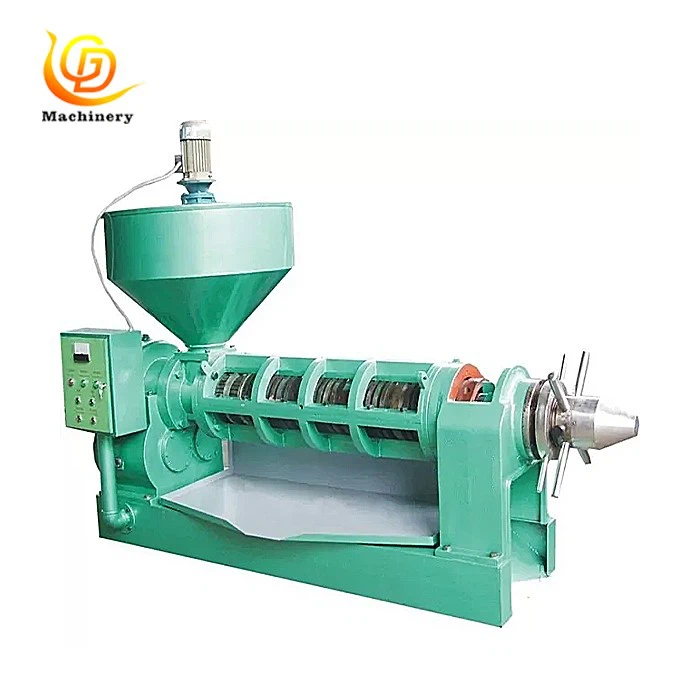
At our company, we understand the challenges of processing materials with different viscosities. That's why we offer a range of Vertical Screw Press Machines that are designed to handle various viscosities. Here are some of the ways we optimize the pressing process for different viscosities:

1. Customized Screw Design
We offer customized screw designs that are tailored to the specific viscosity of the material being processed. For example, for high-viscosity materials, we may use a screw with a larger pitch or a more aggressive flight design to increase the pressing force and improve the dewatering efficiency.
2. Variable Speed Drive
Our press machines are equipped with a variable speed drive that allows the operator to adjust the speed of the screw according to the viscosity of the material. This helps to optimize the feed rate and the pressing force, ensuring a smooth and efficient operation.
3. Heating and Cooling Systems
We also offer heating and cooling systems that can be used to adjust the temperature of the material being processed. This can help to reduce the viscosity of high-viscosity materials and improve the dewatering efficiency.
4. Abrasion-Resistant Materials
To reduce the wear and tear on the press machine, we use abrasion-resistant materials for the screw, the screen, and other components. This helps to extend the lifespan of the machine and reduce the maintenance costs.
Case Studies
To illustrate the effects of material viscosity on the pressing process and how our press machines can be optimized to handle different viscosities, here are some case studies:
Case Study 1: Sludge Dewatering
A wastewater treatment plant was struggling to dewater their sludge using a traditional belt filter press. The sludge had a high viscosity and was difficult to process, resulting in low dewatering efficiency and high operating costs.
We recommended our Sludge Dewatering Screw Press with a customized screw design and a variable speed drive. The press machine was able to handle the high-viscosity sludge and achieve a high level of dewatering, reducing the moisture content of the sludge from 90% to 70%. This resulted in significant savings in operating costs and improved the overall efficiency of the wastewater treatment plant.
Case Study 2: Fruit Juice Extraction
A fruit juice manufacturer was using a traditional hydraulic press to extract juice from their fruits. The press machine was not able to handle the high-viscosity fruit pulp, resulting in low juice extraction rates and high waste.
We recommended our Direct Drive Electric Screw Press with a customized screw design and a heating system. The press machine was able to handle the high-viscosity fruit pulp and achieve a high juice extraction rate, increasing the yield of juice by 20%. This resulted in significant savings in raw material costs and improved the overall profitability of the fruit juice manufacturer.
Conclusion
In conclusion, material viscosity plays a crucial role in the pressing process of a vertical screw press machine. High-viscosity materials can pose challenges such as reduced feed rate, increased pressing force, lower dewatering efficiency, and increased wear and tear. However, by optimizing the pressing process through customized screw design, variable speed drive, heating and cooling systems, and the use of abrasion-resistant materials, these challenges can be overcome.
As a leading supplier of vertical screw press machines, we are committed to providing our customers with the best solutions for their pressing needs. Whether you are processing high-viscosity sludge, fruit pulp, or any other material, our Vertical Screw Press Machines can be customized to meet your specific requirements.
If you are interested in learning more about our vertical screw press machines or would like to discuss your pressing needs, please feel free to contact us. We look forward to working with you to optimize your pressing process and improve your productivity.
References
- Bird, R. B., Stewart, W. E., & Lightfoot, E. N. (2007). Transport Phenomena (2nd ed.). Wiley.
- Daugherty, R. L., Franzini, J. B., & Finnemore, E. J. (2001). Fluid Mechanics With Engineering Applications (10th ed.). McGraw-Hill.
- Perry, R. H., & Green, D. W. (1997). Perry's Chemical Engineers' Handbook (7th ed.). McGraw-Hill.


