

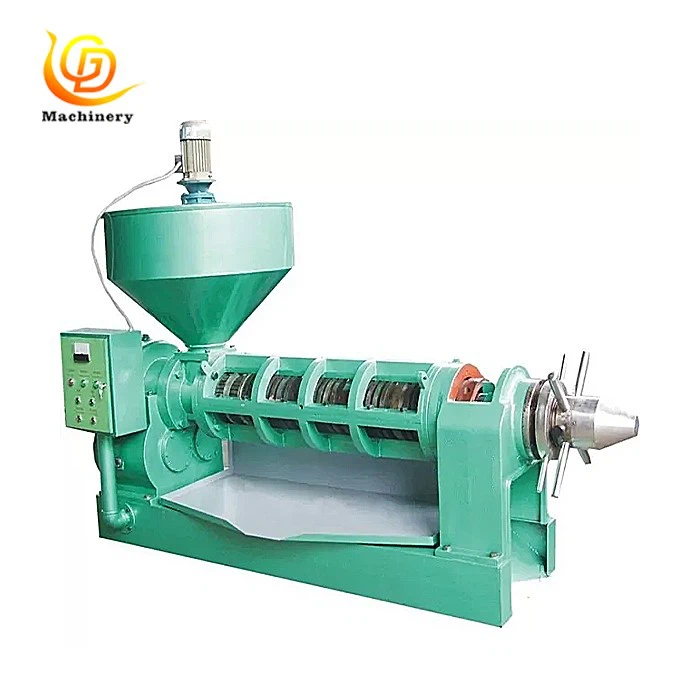
Hey there! As a supplier of electric screw presses, I've seen firsthand how the vibration of these machines can be a real pain in the neck. It not only affects the quality of the products but also shortens the lifespan of the equipment. So, I thought I'd share some tips on how to reduce the vibration of an electric screw press.
Understanding the Causes of Vibration
Before we dive into the solutions, it's important to understand what causes the vibration in the first place. There are several factors that can contribute to this issue, including:
- Imbalanced Rotating Parts: If the rotating parts of the press, such as the flywheel or the screw, are not balanced properly, it can cause uneven forces to act on the machine, leading to vibration.
- Loose Components: Over time, the components of the press can become loose due to normal wear and tear. Loose bolts, nuts, or other parts can cause the machine to vibrate as it operates.
- Poor Installation: If the press is not installed correctly, it can also lead to vibration. This includes issues such as an uneven foundation or improper alignment of the machine.
- High-Speed Operation: Electric screw presses are designed to operate at high speeds, which can generate a significant amount of vibration. This is especially true if the machine is not properly maintained or if it is operating under heavy loads.
Solutions to Reduce Vibration
Now that we know what causes the vibration, let's take a look at some solutions to reduce it. Here are some tips that I've found to be effective:
1. Balance the Rotating Parts
One of the most common causes of vibration in an electric screw press is imbalanced rotating parts. To reduce this issue, it's important to balance the flywheel, screw, and other rotating components regularly. This can be done using a balancing machine, which measures the imbalance of the parts and adds or removes weight as needed to correct it.
2. Tighten Loose Components
Loose components can also cause vibration in the press. To prevent this, it's important to regularly inspect the machine and tighten any loose bolts, nuts, or other parts. This will help to ensure that the machine is operating smoothly and reduce the risk of vibration.
3. Improve the Installation
If the press is not installed correctly, it can lead to vibration. To improve the installation, make sure that the foundation is level and that the machine is properly aligned. You may also want to consider using vibration isolation pads or mounts to reduce the transfer of vibration from the machine to the floor.
4. Optimize the Operating Conditions
Operating the press under the right conditions can also help to reduce vibration. This includes using the correct lubricants, maintaining the proper temperature and humidity levels, and avoiding overloading the machine. By optimizing the operating conditions, you can help to ensure that the press is operating smoothly and reduce the risk of vibration.
5. Upgrade the Equipment
In some cases, upgrading the equipment may be necessary to reduce vibration. This could include replacing worn-out parts, upgrading the motor or control system, or installing a vibration damping system. By upgrading the equipment, you can improve the performance of the press and reduce the risk of vibration.
Specific Products and Their Vibration Reduction Features
We offer a range of electric screw presses, each with its own unique features designed to reduce vibration. Here are some of our popular products:
- Vertical Screw Press Machine: This press is designed with a vertical structure, which helps to reduce vibration by minimizing the distance between the rotating parts and the ground. It also features a precision-balanced flywheel and a high-quality screw, which further reduces vibration and ensures smooth operation.
- Sludge Dewatering Screw Press: Our sludge dewatering screw press is specifically designed for the dewatering of sludge and other wet materials. It features a unique screw design that helps to reduce vibration and improve the efficiency of the dewatering process. The press also includes a vibration isolation system, which further reduces the transfer of vibration to the surrounding environment.
- Direct Drive Electric Screw Press: This press uses a direct drive system, which eliminates the need for a belt or chain drive. This not only reduces vibration but also improves the efficiency and reliability of the machine. The direct drive system also allows for more precise control of the press, which can further reduce vibration and improve the quality of the products.
Conclusion
Reducing the vibration of an electric screw press is essential for ensuring the quality of the products and the lifespan of the equipment. By following the tips outlined in this blog post, you can reduce the vibration of your press and improve its performance. If you have any questions or need further assistance, please don't hesitate to contact us. We're here to help you find the best solution for your needs.
If you're interested in purchasing an electric screw press or learning more about our products, please feel free to reach out to us. We'd be happy to discuss your requirements and provide you with a quote. Let's work together to find the perfect electric screw press for your business!

References
- "Vibration Analysis and Control in Machinery," by John D. Randall
- "Handbook of Rotating Machinery Vibration," by Peter Heald
- "Mechanical Vibration: Theory and Application," by Singiresu S. Rao


