

Hey there! As a supplier of sludge dewatering screw presses, I've had my fair share of experiences dealing with different types of sludge, especially pharmaceutical sludge. And let me tell you, it's got its own set of special requirements.
First off, what's so unique about pharmaceutical sludge? Well, pharmaceutical manufacturing involves a whole bunch of complex chemical processes. This sludge often contains a mix of active pharmaceutical ingredients (APIs), solvents, and other chemical residues. These substances can be highly toxic, corrosive, and even have biological activity. So, when it comes to treating this kind of sludge, we can't just use a one - size - fits - all approach.
Chemical Resistance
One of the most crucial requirements for a sludge dewatering screw press when dealing with pharmaceutical sludge is chemical resistance. The press needs to be made of materials that can withstand the harsh chemicals present in the sludge. For example, the screw shaft and the filter screen should be constructed from corrosion - resistant materials like stainless steel or special polymers. If the press isn't chemically resistant, the sludge can eat away at the components over time, leading to leaks, reduced efficiency, and even complete breakdowns.
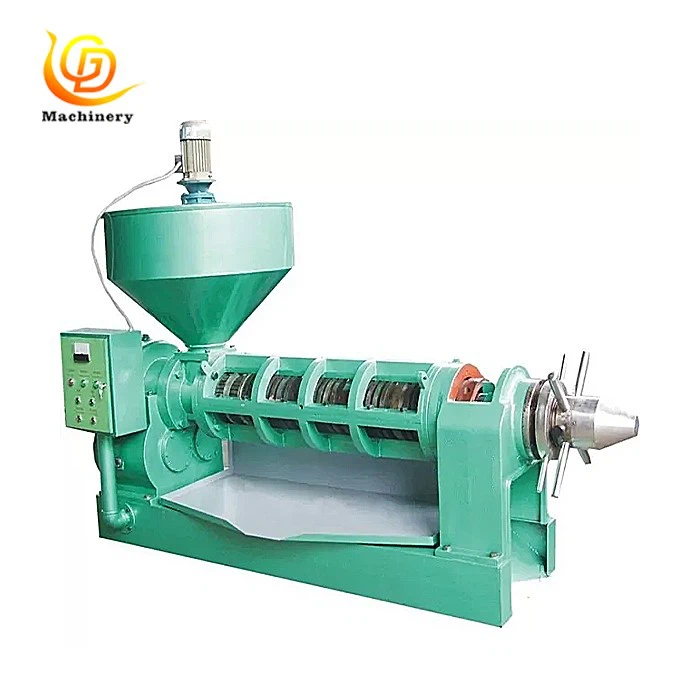
Let's say you're using a Sludge Dewatering Screw Press. You need to make sure that the parts in contact with the sludge are made from high - quality, chemical - resistant materials. Otherwise, you might find yourself constantly replacing parts, which can be a real pain in the neck and a huge cost.
Hygiene and Sterility
Another big deal with pharmaceutical sludge is hygiene and sterility. The pharmaceutical industry has strict regulations regarding the handling and treatment of waste. The sludge dewatering process needs to be carried out in a way that minimizes the risk of contamination. The press should be easy to clean and disinfect. It should have smooth surfaces without any crevices where bacteria or other microorganisms can hide.
We can't have any cross - contamination between different batches of sludge or between the sludge and the surrounding environment. For instance, the press should be designed with features like removable parts that can be thoroughly cleaned and sterilized. This ensures that the dewatering process meets the high - standards of the pharmaceutical industry.
Fine Particle Separation
Pharmaceutical sludge often contains fine particles, including tiny crystals of APIs. These fine particles can be difficult to separate from the liquid phase. A good sludge dewatering screw press needs to have a high - efficiency filtration system that can capture these fine particles.
The screw press should be able to apply enough pressure to squeeze out the water while retaining the solid particles. The filter screen needs to have the right pore size to allow water to pass through while holding back the fine solids. If the filter screen is too coarse, the fine particles will pass through with the water, and you won't achieve effective dewatering. On the other hand, if it's too fine, it can get clogged easily, reducing the flow rate and the overall efficiency of the press.
Temperature and Pressure Control
The chemical and physical properties of pharmaceutical sludge can be affected by temperature and pressure. Some APIs are heat - sensitive, and high temperatures can cause them to degrade. So, the sludge dewatering process needs to be carried out at a controlled temperature.
The screw press should also be able to handle different pressure requirements. Depending on the consistency and composition of the sludge, the press needs to be able to adjust the pressure to achieve optimal dewatering. For example, if the sludge is very thick and viscous, a higher pressure might be needed to squeeze out the water. Our Direct Drive Electric Screw Press is designed to offer precise temperature and pressure control, which is essential for treating pharmaceutical sludge.
Automation and Monitoring
In the pharmaceutical industry, precision and consistency are key. That's why automation and monitoring are important for pharmaceutical sludge treatment with a sludge dewatering screw press. The press should be equipped with sensors and control systems that can monitor parameters like pressure, temperature, flow rate, and moisture content.
Automation allows for consistent operation, reducing the risk of human error. For example, the press can be programmed to adjust the pressure and speed based on the real - time data from the sensors. This ensures that the dewatering process is always optimized, regardless of the variations in the sludge composition.
Environmental Compliance
Pharmaceutical sludge treatment also needs to comply with environmental regulations. The dewatered sludge should be in a form that can be safely disposed of or further treated. The water removed from the sludge should meet the environmental standards for discharge.
The sludge dewatering screw press should be designed to minimize the generation of secondary pollutants. For example, it should have a system to collect and treat any odors or volatile organic compounds (VOCs) that might be released during the dewatering process. Our Horizontal Electric Screw Press is engineered to meet these environmental requirements, helping pharmaceutical companies stay on the right side of the law.
Cost - effectiveness
Of course, cost - effectiveness is always a consideration. Pharmaceutical companies are looking for a sludge dewatering solution that not only meets the special requirements but also fits within their budget. A good sludge dewatering screw press should have a reasonable purchase price, low operating costs, and a long service life.
The energy consumption of the press should be kept to a minimum. Also, the maintenance requirements should be straightforward and inexpensive. By choosing the right press, pharmaceutical companies can save a significant amount of money in the long run.
In conclusion, treating pharmaceutical sludge with a sludge dewatering screw press requires careful consideration of several special requirements. From chemical resistance and hygiene to temperature control and environmental compliance, every aspect matters. As a supplier, I understand these needs and have designed our screw presses to meet the high - standards of the pharmaceutical industry.

If you're in the pharmaceutical industry and are looking for a reliable sludge dewatering solution, I'd love to have a chat with you. We can discuss your specific requirements and find the perfect press for your needs. Don't hesitate to reach out and start the conversation about purchasing the ideal sludge dewatering screw press for your pharmaceutical sludge treatment.
References
- "Waste Management in the Pharmaceutical Industry", Journal of Pharmaceutical Sciences
- "Sludge Dewatering Technologies: A Review", Environmental Science and Technology Journal


