

What materials are used for the dies of a roll forging machine?
As a supplier of roll forging machines, I often encounter inquiries regarding the materials used for the dies of these machines. The choice of die material is crucial as it directly impacts the performance, durability, and cost - effectiveness of the roll forging process. In this blog, I will delve into the various materials commonly used for roll forging machine dies.
High - Speed Steel (HSS)
High - speed steel is a popular choice for roll forging machine dies. It is known for its excellent hardness, wear resistance, and ability to maintain its cutting edge at high temperatures. HSS contains alloying elements such as tungsten, molybdenum, chromium, and vanadium, which contribute to its high - performance characteristics.
One of the key advantages of using HSS for dies is its ability to withstand the high - speed and high - pressure conditions of roll forging. During the forging process, the dies are subjected to significant mechanical stress and frictional forces. HSS can resist deformation and wear under these harsh conditions, ensuring a longer service life for the dies.
Moreover, HSS can be heat - treated to achieve different levels of hardness and toughness. This flexibility allows manufacturers to optimize the die properties according to the specific requirements of the forging operation. For example, for applications where high wear resistance is needed, the dies can be heat - treated to a higher hardness level.
However, HSS also has some limitations. It is relatively expensive compared to other materials, and its toughness may not be sufficient for some heavy - duty forging applications. In such cases, alternative materials may need to be considered.
Tool Steel
Tool steel is another commonly used material for roll forging machine dies. It offers a good combination of hardness, toughness, and wear resistance. There are several types of tool steel, including carbon tool steel, alloy tool steel, and high - alloy tool steel.
Carbon tool steel is the most basic type of tool steel. It contains a relatively high percentage of carbon, which gives it good hardness. However, it has limited toughness and is prone to cracking under high - impact loads. Carbon tool steel is typically used for less demanding forging applications where cost is a major consideration.
Alloy tool steel contains additional alloying elements such as chromium, nickel, and manganese. These elements improve the steel's strength, toughness, and wear resistance. Alloy tool steel is more suitable for medium - duty forging applications where a balance between hardness and toughness is required.
High - alloy tool steel, such as D2 and A2, is often used for high - precision and high - performance forging operations. These steels have excellent wear resistance and can maintain their shape and dimensional accuracy over a long period of use. They are also resistant to thermal fatigue, which is important in roll forging processes where the dies are exposed to repeated heating and cooling cycles.
Cast Iron
Cast iron is a cost - effective material that is sometimes used for roll forging machine dies. It has good castability, which allows for the production of complex die shapes. Cast iron also has relatively good damping properties, which can help reduce vibration during the forging process.
Grey cast iron is the most commonly used type of cast iron for dies. It has a graphite structure that provides good lubricity and wear resistance. However, grey cast iron has low tensile strength and is brittle, which limits its use in applications where high - impact loads are involved.
Ductile cast iron, on the other hand, has improved toughness compared to grey cast iron. It contains small nodules of graphite, which enhance its ductility and strength. Ductile cast iron can be used for medium - duty forging applications where a certain level of toughness is required.
Carbide
Carbide is a very hard and wear - resistant material that is increasingly being used for roll forging machine dies. Carbide dies are made by combining tungsten carbide particles with a binder metal, usually cobalt.
The high hardness of carbide makes it extremely resistant to wear, even under high - pressure and high - temperature conditions. Carbide dies can produce high - quality forgings with excellent surface finish and dimensional accuracy. They also have a long service life, which can result in significant cost savings in the long run.
However, carbide is a brittle material, and it requires careful handling and machining. The high cost of carbide is also a factor that needs to be considered. Carbide dies are typically used for high - volume and high - precision forging applications where the benefits of their superior performance outweigh the higher initial investment.
Ceramic
Ceramic materials are emerging as a potential option for roll forging machine dies. Ceramics have several advantages, including high hardness, high temperature resistance, and excellent chemical stability.
Alumina and silicon nitride are two types of ceramics that are being investigated for die applications. Alumina ceramics are relatively inexpensive and have good wear resistance. Silicon nitride ceramics, on the other hand, have higher strength and toughness, making them more suitable for high - stress forging applications.
However, ceramics also have some challenges. They are brittle and prone to cracking, especially under impact loads. Machining ceramic materials is also difficult and expensive. As a result, the use of ceramic dies is currently limited to specific applications where their unique properties can be fully utilized.
Choosing the Right Material
When selecting the material for roll forging machine dies, several factors need to be considered. The type of forging operation, the properties of the workpiece material, the production volume, and the cost are all important considerations.
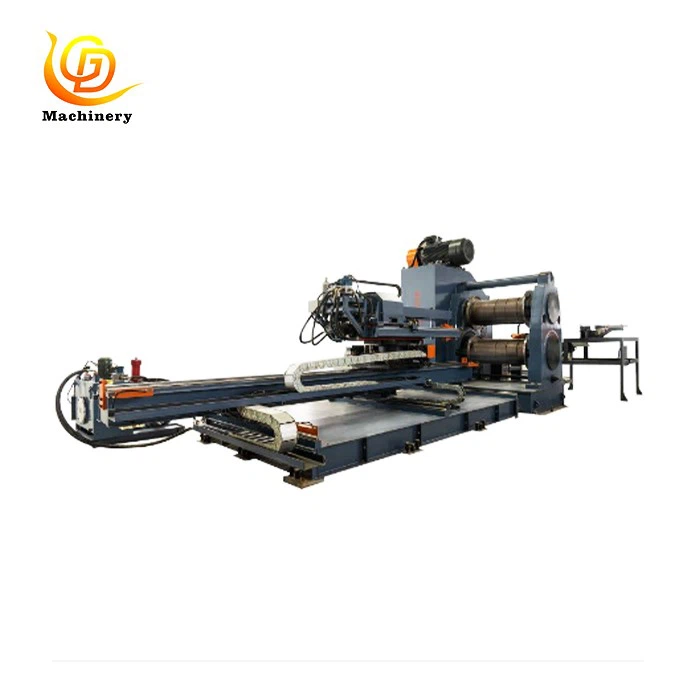

For high - volume production of simple forgings, cost - effective materials such as cast iron or carbon tool steel may be suitable. For high - precision and high - performance applications, materials like high - speed steel, high - alloy tool steel, carbide, or ceramic may be required.
It is also important to work closely with die manufacturers and material suppliers to ensure that the selected material meets the specific requirements of the forging process. They can provide valuable advice and expertise based on their experience and knowledge.
As a roll forging machine supplier, we understand the importance of using the right die materials. We offer a range of roll forging machines that are compatible with different die materials. Whether you are looking for an Aluminum Cold Roll Forming Machine, a Construction Industry Roll Forming Machine, or a Full Automatic Roll Forging Machine, we can provide you with the appropriate solutions.
If you are interested in learning more about our roll forging machines or have questions about die materials, please feel free to contact us for a detailed discussion. We are committed to helping you optimize your forging processes and achieve the best results.
References
- "Tool and Die Materials Handbook" by ASM International
- "Roll Forging Technology" by John Wiley & Sons
- Various research papers on materials science and forging technology from academic journals


